
There’s a particular kind of quiet satisfaction in walking outside with your coffee and actually liking what you see. That’s the whole point behind garden tips decoradhouse — not a magazine-perfect yard that takes a landscaping crew to maintain, but a real, livable outdoor space that grows better every season instead of falling apart by August. If you’ve ever bought a tray of flowers on impulse only to watch them wilt within a week, you already know that gardening rewards a little planning far more than it rewards a big budget.
This matters because most people don’t fail at gardening from lack of effort. They fail because they skip the boring groundwork — reading their own yard — and jump straight to the fun part, which is buying plants. A garden built without understanding its sunlight, soil, and space almost always ends up patchy, thirsty, and disappointing. The good news is that once you get the fundamentals right, everything else — the pretty pots, the string lights, the little gravel path — becomes much easier to pull off and much more likely to last.
Mapping how sunlight moves across your yard is the first real step.
Below is a practical walk-through of how to actually build a garden you’ll enjoy year after year, from the first shovel of soil to the seasonal upkeep that keeps it looking good without eating your whole weekend.
What Makes Garden Tips DecoradHouse Advice Different
A lot of gardening content treats every yard the same way, as if a balcony in a dry climate and a half-acre backyard in a humid one need identical advice. They don’t. The approach behind garden tips decoradhouse is built around one idea: observe first, decorate second. Instead of leading with aesthetics, it starts with the physical realities of your space — light, water, soil, and how you actually use the area — and lets the design follow from there.
That doesn’t mean style takes a back seat forever. It means the pretty stuff sticks around longer, because it’s growing in conditions it can actually handle.
Think of it this way: a gorgeous plant in the wrong spot is a short-term photo opportunity, while the same plant placed thoughtfully becomes a permanent part of your home. That distinction — temporary versus lasting — is really what separates casual garden tips decoradhouse readers pick up here from the trial-and-error most people go through on their own, usually at the cost of a few dead plants and a wasted Saturday.
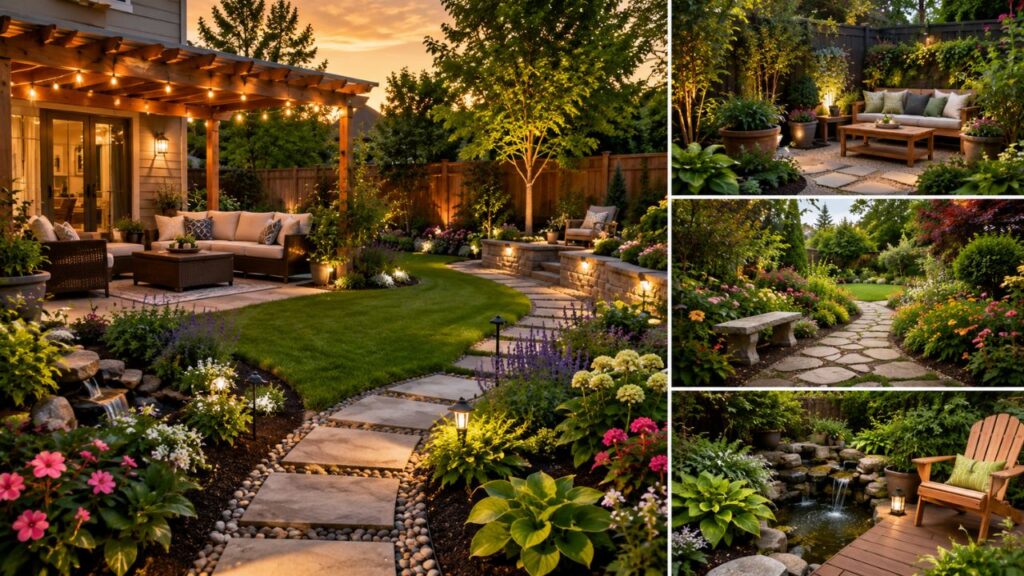
Start With an Honest Look at Your Space
Before you spend a single dollar, spend a weekend just watching your yard. It sounds unglamorous, but this is the step that separates gardens that thrive from gardens that limp along.
Mapping Sunlight Before You Plant Anything
Walk outside every couple of hours over a full day and jot down which areas are sunny, shaded, or somewhere in between. Most plant tags describe light needs using a few standard categories:
- Full sun — at least six hours of direct light daily
- Partial sun or partial shade — roughly three to six hours
- Full shade — less than three hours of direct light
A shady side yard planted with sun-loving lavender is fighting a losing battle no matter how much you water it. Matching plant to light is the single cheapest thing you can do to avoid replacing dead plants every few months.
Reading Your Soil Like a Gardener, Not a Guesser
Dig a small hole and look at what comes out. Sandy soil falls apart in your hand and drains almost too fast. Heavy clay soil clumps together and holds water for days, sometimes drowning roots. Loamy soil — the goal for most gardens — crumbles gently and holds its shape without turning into a brick.
A basic pH test kit from any garden center will tell you whether your soil leans acidic or alkaline. Most ornamental plants and vegetables are happiest somewhere close to neutral, in the six-to-seven range. Knowing this before you plant saves you from years of plants that just never quite thrive.
Building Healthy Soil From the Ground Up
Healthy soil isn’t something you buy once — it’s something you build over time, and it’s genuinely the difference between a garden that needs constant rescuing and one that mostly takes care of itself.
Compost, Mulch, and Other Free Nutrients
You don’t need expensive fertilizer to get started. Kitchen scraps, fallen leaves, and grass clippings can become compost that feeds your soil for free. A few habits worth adopting:
- Layer vegetable peels, eggshells, and coffee grounds into a compost pile or bin
- Turn the pile every couple of weeks to speed up decomposition
- Spread finished compost around the base of plants each season
- Add a two- to three-inch layer of mulch on top to lock in moisture and block weeds
Mulch alone does a surprising amount of work. It keeps soil temperature more stable, cuts down on how often you need to water, and slowly breaks down into more organic matter. It’s one of those small habits that pays off constantly.
Choosing Plants That Actually Match Your Life
This is where a lot of gardens go sideways. People buy what looks good at the nursery on a Saturday morning without asking whether it fits their climate, their schedule, or their soil. A more useful question is simple: what can I realistically keep alive here?
Perennials vs. Annuals: What’s the Difference
Perennials are plants that come back year after year — think roses, lavender, hostas, and daylilies. They cost more upfront but save money and effort long term since you’re not replanting every season.
Annuals complete their life cycle in a single season — marigolds, petunias, and zinnias are common examples. They’re inexpensive, bloom hard and fast, and are great for filling in gaps or adding a quick burst of color for an event or a particular season.
Most well-balanced gardens use both: perennials as the backbone, annuals as seasonal accents you can swap out without disturbing the rest of the layout.
Native and Low-Maintenance Options
Native plants — species that naturally grow in your region — tend to need less water, less fertilizer, and less babying overall, since they’ve already adapted to your local rainfall and soil. They also tend to support local pollinators like bees and butterflies far better than imported ornamentals. If you’re short on time, leaning toward native and drought-tolerant species is one of the smartest calls you can make.
Layout and Design: The Part Everyone Actually Notices
Once the fundamentals are sorted, layout is where a garden starts to feel intentional instead of accidental. This is really the heart of most garden tips decoradhouse discussions, because good design doesn’t require a big budget — it requires a plan.
Layering Plants for Depth
Think of your garden bed almost like a stage set: tall plants toward the back or center, medium plants in the middle ground, and low, spreading plants or ground cover in front. This layering trick does two things at once. It makes even a small bed look fuller and more professionally designed, and it ensures every plant actually gets the light and airflow it needs instead of being shaded out by its neighbors.
Layering tall, medium, and low plants creates instant depth.
Creating a Focal Point
Every garden benefits from one thing the eye naturally lands on — a small water feature, a striking pot, a piece of garden sculpture, or even a single well-placed tree. Keep the space immediately around that focal point relatively simple so it doesn’t get lost in visual noise. This one habit is what makes a lot of professionally designed gardens feel calm rather than cluttered, even when they contain plenty of plants.
Pathways and Borders
Pathways aren’t just functional — they guide the eye and structure the whole space. Gravel, stepping stones, brick, or simple mulch paths all work, and the material you choose should generally match your home’s exterior for a cohesive look. Borders, whether they’re bricks, stone edging, or metal strips, give beds a crisp, finished appearance and keep grass from creeping into your planting areas.
Watering Smarter, Not Harder
Watering habits make or break a garden faster than almost anything else. Overwatering is actually more common — and more damaging — than underwatering, because soggy roots can’t breathe and eventually rot.
A few habits that consistently work:
- Water deeply but less often, rather than a light sprinkle every day — this encourages roots to grow deeper and stronger
- Water early in the morning so plants can absorb moisture before the heat of the day causes evaporation
- Check soil moisture with a finger before watering; if the top inch or two is still damp, you can usually wait
- Consider a drip irrigation system for beds and containers — it delivers water straight to the roots and can cut water use significantly compared with overhead sprinklers
- Group plants with similar water needs together, so you’re never trying to keep a thirsty fern and a drought-tolerant succulent happy in the same watering routine
It’s worth mentioning that container plants dry out much faster than anything planted directly in the ground, simply because they have less soil around the roots holding onto moisture. If you’re working with pots on a sunny balcony, expect to water more often than the general rule of thumb would suggest, especially during the hottest stretch of summer.
Small-Space and Vertical Gardening Ideas
Not everyone has a sprawling backyard, and that’s fine. Balconies, patios, and narrow side yards can look just as good — sometimes better — with the right approach.
- Use wall-mounted planters or hanging pots to grow upward instead of outward
- Try a tiered plant stand to fit more greenery into a small footprint without crowding the floor
- Choose trailing plants like pothos or ivy to soften hard edges like railings and fences
- Grow herbs in a compact kitchen-window box for something both decorative and useful
Vertical gardening isn’t just a space-saving trick — it genuinely changes how a small area feels, adding height and texture that flat, ground-level planting can’t achieve on its own.
Adding Personality With Outdoor Decor
Once the plants and layout are solid, decor is what makes a garden feel like it belongs to you specifically rather than a generic template.
Lighting
Good lighting extends how much you actually use your garden, especially in warmer months when evenings outside are the whole reward. A mix of ambient string lights, softer accent lighting near seating, and brighter path lighting near steps or uneven ground covers both mood and safety.
Furniture and Seating
Choose furniture that can handle your climate — treated wood, powder-coated metal, and synthetic wicker all hold up well outdoors. In smaller gardens, lightweight or foldable pieces let you rearrange the space depending on whether you’re hosting people or just want an open path to walk through.
Choosing Pots and Containers That Actually Work
Containers aren’t just a backup plan for people without yards — they’re a genuine design tool, and a big part of how garden tips decoradhouse ideas get applied to patios, porches, and tight urban spaces. The material you pick matters more than most people assume.
- Terracotta — breathes well and looks classic, but dries out faster and can crack in freezing winters
- Glazed ceramic — holds moisture longer and comes in far more colors, though it’s heavier and pricier
- Plastic and resin — lightweight, affordable, and weather-resistant, making them a practical pick for balconies
- Wood planters — bring warmth and blend naturally into most yards, but need a liner or sealant to resist rot
Whatever you choose, drainage holes aren’t optional. A gorgeous pot with nowhere for excess water to escape will eventually drown whatever you plant in it, no matter how carefully you water it.
Grouping containers in odd numbers — three or five rather than two or four — tends to look more natural, almost like they arranged themselves. Varying the heights slightly, with one taller piece behind two shorter ones, adds the same kind of layered depth you’d aim for in a full garden bed.
Sustainable Practices Worth Building Into Your Routine
Sustainability in gardening isn’t really a trend — it’s mostly just efficiency dressed up with a nicer name. A few habits make a noticeable difference over a season or two:
- Collect rainwater in a barrel and use it for containers and beds during dry stretches
- Try companion planting, pairing plants that naturally support each other, like basil planted near tomatoes to help repel certain pests
- Rotate where you plant vegetables each year to avoid depleting the same nutrients from the soil repeatedly
- Leave a small patch a little wild for pollinators instead of manicuring every square inch of the yard
None of these require extra spending, and most of them actively save money over time by reducing water bills and the need for chemical treatments. It’s a quieter, less flashy side of garden tips decoradhouse advice, but it’s arguably the part with the longest payoff, since a garden that supports its own ecosystem needs less rescuing from you.
Designing Zones for the Way You Actually Live
One habit that separates a garden that gets used from one that just gets looked at is zoning — deciding in advance what each part of the space is actually for. A yard doesn’t need to be one single, undefined patch of green. It can have a quiet reading corner, an open area for kids or pets, a small vegetable patch, and a dining spot, each with its own feel.
Even a modest backyard benefits from this kind of thinking. A change in paving material, a low hedge, or a simple change in plant height can signal “this is a different zone” without needing a fence or wall. This is one of the more underrated garden tips decoradhouse followers tend to mention — the idea that a garden should be planned around how people move through it and use it, not just how it photographs from the back door.
Seasonal Garden Maintenance Checklist
A garden isn’t a one-time project; it changes with the calendar, and staying slightly ahead of each season keeps small problems from turning into big ones.
A quick-reference look at what each season actually needs.
Spring
Spring is planting season. Clear out winter debris, refresh mulch, divide overcrowded perennials, and start feeding the soil with compost as new growth kicks in.
Summer
Summer is about consistency — steady watering, regular deadheading of spent blooms to encourage more flowers, and staying on top of weeds before they establish deep roots in the heat.
Autumn
Autumn is for cutting back perennials that have finished blooming, planting spring bulbs like tulips and daffodils, and adding a fresh layer of mulch to protect roots before the cold arrives.
Winter
Winter maintenance is mostly protective: wrapping or moving sensitive potted plants, clearing heavy snow off shrubs so branches don’t snap, and using the quieter season to plan next year’s layout.
Common Garden Mistakes Worth Avoiding
A few mistakes show up again and again, regardless of climate or garden size:
- Overcrowding plants — it looks lush at first but leads to poor airflow and disease later
- Ignoring drainage — even great soil struggles if water has nowhere to go
- Planting too deep — the top of the root ball should sit level with the surrounding soil, not buried below it
- Skipping mulch — bare soil dries out faster and invites more weeds
- Designing only for spring — a garden that only looks good for six weeks a year will disappoint you the rest of the time
Avoiding these isn’t complicated, but it does require slowing down slightly before each planting session instead of rushing straight to the fun part.
Frequently Asked Questions
What are garden tips decoradhouse really about?
At their core, they’re about matching your garden to its actual conditions — sunlight, soil, and space — before focusing on decoration, so the design choices you make actually last.
How often should I water my garden?
Most established garden beds do well with a deep watering two to three times a week rather than a light daily sprinkle, though containers and hot climates may need more frequent attention.
Do I need to test my soil before planting?
It helps enormously. A simple pH test tells you whether your soil is acidic, neutral, or alkaline, which affects which plants will actually thrive rather than just survive.
What’s the easiest way to start a small garden?
Begin with a handful of low-maintenance, container-friendly plants suited to your light conditions, then expand gradually as you learn what works in your specific space.
How much mulch should I use?
A two- to three-inch layer around plants is usually enough to retain moisture and block weeds without smothering roots.
Can I mix vegetables and flowers in the same garden bed?
Yes, and many gardeners find this improves results — flowers can attract pollinators and beneficial insects that help nearby vegetables thrive.
What’s the difference between perennials and annuals again?
Perennials return year after year and build the long-term structure of a garden, while annuals last one season and are ideal for quick, changeable bursts of color.
How do I keep a small balcony garden from looking cluttered?
Stick to a simple color palette, choose one focal piece, and use vertical space like wall planters instead of covering every inch of floor space with pots.
Bringing It All Together
None of this requires a professional crew or a huge budget — it requires paying attention to your space before you start filling it with things. Start with sunlight and soil, choose plants that genuinely fit your conditions, build the layout around a few thoughtful focal points, and let the seasonal habits become second nature over time. That’s really the whole idea behind garden tips decoradhouse: fewer guesses, steadier results, and a garden that feels more like yours with every season that passes.