
There’s a particular kind of guilt that comes from staring at a backyard you never use. The furniture is faded, the grass grows in patches, and somewhere along the way you stopped inviting people to sit out there at all. That’s usually the moment a backyard renovation decoradyard approach starts to make sense — not a full teardown, but a deliberate, room-by-room rethink of a space that’s been quietly neglected for years.
Most homeowners don’t wake up wanting a renovation. They wake up tired of tripping over a hose that never coils right, or mildly embarrassed that the deck still has the same warped board it had three summers ago. The backyard renovation decoradyard mindset starts there, with the small annoyances, and works outward until the whole yard actually earns its square footage.
This isn’t a guide about spending everything you own on one showpiece feature. It’s about understanding what’s realistically worth doing, roughly what it costs, and what order to tackle it in — so the yard becomes a place you use on a random Tuesday evening, not just when company is over.
What a Backyard Renovation Decoradyard Approach Actually Means
At its core, this way of thinking treats a backyard as a set of connected rooms rather than one big undefined patch of grass. Instead of buying furniture first and figuring out placement later, it starts with function: where will people actually eat, where will they sit after dark, where does the dog need room to run. A backyard renovation decoradyard plan works backward from that list of real uses into decking, planting, lighting, and furniture decisions — instead of the other way around.
It also means being honest about what a yard doesn’t need. Not every backyard needs an outdoor kitchen. Not every deck needs a built-in fire feature. The goal is a space that matches how you actually spend your evenings, which is a very different exercise from copying a photo from a home design account.
Why Homeowners Are Rethinking Their Backyards in 2026
Function Over Resale Value
For years, backyard projects were pitched almost entirely as investments — something you’d do to bump up the sale price down the line. That thinking has faded. Recent industry research on outdoor renovations shows most homeowners are now upgrading because a feature is worn out or because they simply want to enjoy the space more, not because an appraiser will notice. Resale value has slipped down the list of reasons people give for starting a project, while everyday comfort has climbed to the top.
Outdoor Rooms Are Replacing One Big Patio
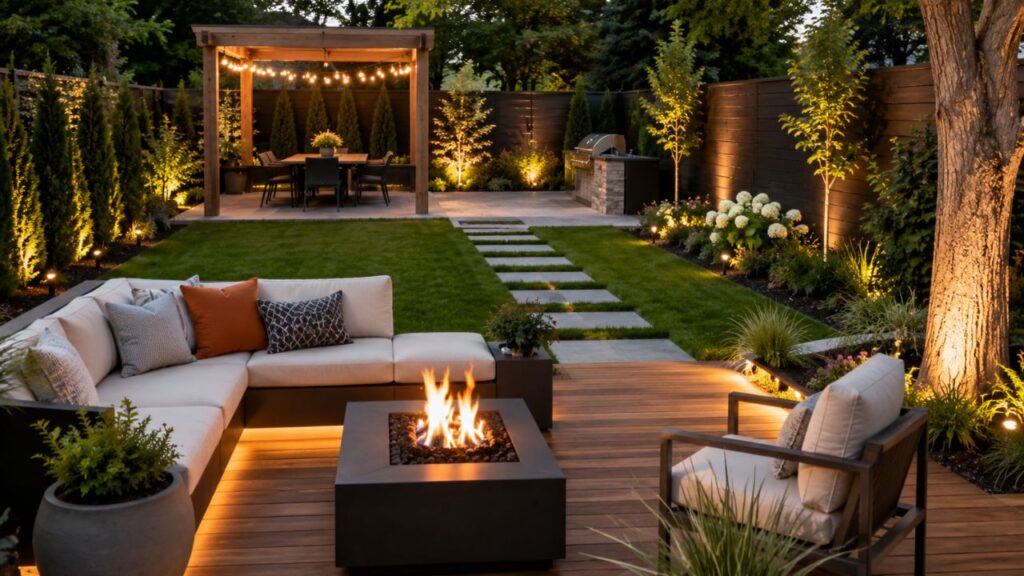
The single giant concrete slab that tries to do everything — dining, lounging, storage, grilling — is quietly falling out of favor. Designers are splitting that same square footage into two or three smaller, clearly defined areas instead: a dining pad here, a lounge corner there, a planted edge that softens the transition between them. It’s a shift from one oversized feature to several smaller ones that each get used on their own terms.
Ferguson Plumbing
Shop Ferguson Plumbing for reliable plumbing supplies, fixtures, tools, pipes and professional solutions for residential and commercial projects.
FFerguson
Find FFerguson plumbing supplies, fixtures, tools and building products for professional contractors, businesses and home improvement projects.
Feazel Roofing
Choose Feazel Roofing for professional roof repair, replacement and inspection services designed to protect and enhance your property.
Plumbers Putty
Discover high-quality plumbers putty for creating watertight seals around sinks, drains, faucets and other plumbing fixtures.
Outdoor Systems Are Getting Smarter
Beyond furniture and planting, more backyard renovation decoradyard projects now include a layer of simple technology. Smart irrigation controllers adjust watering based on actual weather instead of a fixed timer, which cuts down on both water waste and dead patches from over- or under-watering. App-controlled lighting lets you change mood and brightness without running new switches, and it’s often one of the easiest upgrades to retrofit into an existing yard.
Choosing a Backyard Style That Actually Fits Your Home
Scrolling through inspiration photos is a fine starting point, but a style only works long-term if it matches your climate, your home’s architecture, and how much upkeep you’re realistically willing to do. A few directions come up again and again in backyard renovation decoradyard planning, and each suits a different kind of household.
Relaxed Modern
Clean lines, natural wood tones, and simple planting define this look. It tends to suit newer homes and homeowners who want a low-clutter yard that still feels warm rather than sterile. Furniture stays simple, and greenery does most of the visual work.
Cottage or Cabin-Inspired
Layered planting, a mix of textures, and softer edges define this style. It works well for older homes or wooded lots, and it tends to forgive imperfection better than a strict modern layout, since a slightly overgrown border reads as charming rather than neglected.
Mediterranean-Inspired
Warm stone, terracotta tones, and drought-tolerant planting like lavender and rosemary define this direction. It suits sunnier climates especially well, since the plant choices are already built for heat and low water use rather than fighting against the local conditions.
Planning Your Backyard Renovation Decoradyard Project Step by Step
Start With How You Actually Live
Before any materials get chosen, spend a week just watching how you use the yard as it exists now. Where does the morning sun land? Where do you end up standing at a barbecue? Which corner never gets used because it’s either too hot, too exposed, or too far from the door? Answering those questions honestly will save you from building a beautiful feature that ends up ignored.
Set a Budget in Phases, Not All at Once
Very few people can — or should — do everything in one summer. A backyard renovation decoradyard plan usually works best broken into phases: hardscaping and drainage first, since everything else sits on top of it; planting and lighting second; furniture and finishing touches last. This also protects you from decision fatigue, where every choice starts to feel rushed because the whole project is happening at once.
Bring in the Right Professionals at the Right Time
Landscape contractors remain the most commonly hired professionals for outdoor projects, followed by general contractors, landscape architects, and stone or paver specialists. You don’t need all of them for a modest project, but larger jobs involving drainage, electrical, or structural decking really do benefit from a licensed hand — mistakes in those areas are expensive to undo later.
Timing Your Project Around the Seasons
Hardscaping and structural work is easiest to schedule in early spring or fall, before contractors get booked solid for summer. Planting generally does best in spring or early fall as well, when soil temperatures give new roots a chance to settle before extreme heat or cold arrives. Save furniture, lighting, and decorative touches for last, closer to when you’ll actually start using the space.
Backyard Renovation Ideas Worth Your Money
Not every trend deserves a spot in your yard. The list below leans toward features that tend to get used year-round rather than ones that look good in a single photo and then sit empty.
Multi-Zone Decks and Patios
Splitting a deck or patio into distinct areas — dining, lounging, a small fire corner — makes a modest-sized yard feel considerably larger, because each zone has its own identity instead of blending into one flat surface.
Outdoor Kitchens, Scaled to How You Cook
A full outdoor kitchen with plumbing and built-in appliances is a serious undertaking, and increasingly common among homeowners who entertain often. But a smaller version — a good grill, a prep counter, and a mini fridge — delivers most of the benefit at a fraction of the cost and disruption.
A few upgrades worth prioritizing over decorative extras:
- Shade structures — pergolas, sails, or a covered patio section
- Layered lighting — string lights, path lights, and accent lighting on trees or walls
- A right-sized fire feature instead of an oversized built-in
- Irrigation and drainage, planned before any planting goes in
- Durable, low-maintenance decking materials in warmer, natural tones
Shade Structures Are Having a Real Moment
As more people work and relax outside during the day, interest in shade has grown sharply. Pergolas, sail shades, and covered patio sections are now among the most requested additions, right behind decks themselves.
Lighting That Changes the Mood After Dark
Good lighting is probably the single most underrated upgrade in any backyard renovation decoradyard project. Layering string lights over a dining area, low path lights along walkways, and subtle accent lighting on trees or stone features does more to make a yard feel finished than almost any single piece of furniture.
Storage That Keeps the Yard Looking Finished
A built-in bench with hidden storage, a small weatherproof cabinet, or even a well-placed shed keeps hoses, cushions, and yard tools out of sight. It’s a small addition that has an outsized effect on how put-together a backyard looks day to day.
Pools and Water Upgrades, If You Already Have One
For homeowners with an existing pool, upgrades like better lighting, a tanning ledge, or resurfacing tend to deliver more everyday enjoyment than adding brand-new water features elsewhere in the yard. If you’re building a pool from scratch, treat it as its own major project with its own separate budget and timeline, rather than folding it into a broader backyard refresh.
Landscaping Choices That Fit a Livability-First Yard
Native and Drought-Tolerant Planting
Native plants generally need less water and less fuss than a traditional lawn, and they tend to support local birds and pollinators without much extra effort. Pairing them with a simple drip irrigation line cuts down on watering time while keeping the yard looking full.
Shrinking the Lawn, Not Eliminating It
Wall-to-wall grass is losing ground, literally. Instead of ripping out every blade, most homeowners are keeping a smaller lawn where people actually walk, sit, or let kids play, and handing the rest over to groundcovers, mulched beds, or looser, meadow-style planting that needs far less mowing and feeding.
Small Water Features, Used Sparingly
A modest fountain or a small reflective pool can add a calming layer of sound and movement without turning into a maintenance project of its own. The key is scale — a feature that fits the yard, not one that dominates it.
Edible and Kitchen Gardens
A few raised beds tucked near the kitchen door turn a backyard renovation decoradyard project into something genuinely useful day to day, not just decorative. Herbs like basil, rosemary, and thyme are forgiving for beginners, take up very little space, and mean a five-second walk outside instead of a grocery run when a recipe calls for a handful of fresh leaves.
A Few Backyard Trends Worth Skipping in 2026
- Oversized built-in fire pits that dominate the whole patio but only get used a few months a year
- Perfectly clipped, matching shrubs that look sharp on day one and tired by month six
- One giant slab patio with no defined zones, which tends to become a catch-all storage spot
- High-maintenance, water-hungry lawns that stretch across the entire yard
- Harsh, high-contrast deck finishes instead of warmer, natural tones
None of these are disasters if you already have them. But if you’re planning a backyard renovation decoradyard project from scratch, it’s worth steering around these choices rather than adding them and undoing them a few years later.
Budgeting for a Backyard Renovation
Costs vary enormously by region, materials, and how much of the labor you handle yourself, but a rough sense of typical ranges helps you avoid sticker shock partway through a project. Labor alone can account for a significant share of the total, which is why DIY-friendly tasks like planting, mulching, or installing simple lighting are worth tackling yourself if you have the time, while structural or electrical work is generally better left to a professional.
A few practical rules tend to hold true across most budgets:
- Set aside 10–15% of the total budget for unexpected issues, like drainage problems discovered mid-project
- Hardscaping and structural work should come before decorative purchases
- Phasing a project over one or two years is often less stressful — and cheaper — than rushing everything into a single season
- Get at least two contractor quotes before committing to major structural work
Common Mistakes That Derail a Backyard Renovation
Skipping Drainage Planning
Nothing ruins a new patio faster than water pooling against the house or a new lawn turning into mud after every storm. Drainage should be settled before any decorative element goes in, not patched afterward.
Designing Around a Photo Instead of a Lifestyle
A backyard renovation decoradyard project works best when it’s built around how your household actually spends time outside, not around a single inspiration photo that may not fit your climate, your yard’s shape, or your daily routine.
Ignoring HOA Rules and Permits
Fences, decks, and larger structures often need a permit or HOA approval, and skipping that step can mean expensive rework later. A quick check before demo day is far cheaper than an after-the-fact fine.
Underestimating Ongoing Maintenance
A feature that looks stunning on installation day still needs upkeep months later. Pools need chemicals and cleaning, wood decking needs periodic sealing, and even low-maintenance planting needs occasional weeding. Before committing to a feature, it’s worth asking honestly whether you’ll keep up with its maintenance once the excitement of finishing the project has worn off.
Questions Worth Asking Before You Hire Anyone
A short conversation upfront saves a lot of frustration later. Before signing anything, it’s worth asking a few direct questions:
- Are you licensed and insured for this specific type of work?
- Can I see photos or references from a similar-sized project?
- What’s included in the quote, and what would trigger extra charges?
- Who handles permits — you, or am I responsible for filing them?
- What’s a realistic timeline, including likely weather delays?
None of these questions are unusual or awkward to ask, and a professional worth hiring will answer them without hesitation.
Frequently Asked Questions
How much does a typical backyard renovation cost?
It depends heavily on scope, but most homeowners spend anywhere from a few thousand dollars for landscaping and lighting updates to well over $30,000 for a full outdoor kitchen and multi-zone patio. Phasing the work usually keeps costs more manageable.
What is the first thing I should renovate in my backyard?
Drainage and any structural repairs should come first, since everything else — patios, planting, lighting — sits on top of that foundation. After that, most people start with the zone they’ll use most, like a dining or lounge area.
Do I need a permit for a backyard renovation?
Often, yes, especially for decks, fences over a certain height, electrical work, or plumbing. Requirements vary by city and HOA, so it’s worth checking before you start rather than after.
Is an outdoor kitchen worth the investment?
If you already cook and entertain outside often, a scaled-down version with a good grill, counter space, and a small fridge tends to deliver most of the benefit without the cost of a fully plumbed, appliance-heavy build.
How long does a full backyard renovation take?
A modest project can wrap up in a few weeks. Larger, multi-zone renovations involving structural decking, electrical work, or a full outdoor kitchen commonly take a few months, especially if phased.
What’s the most cost-effective backyard upgrade?
Lighting and landscaping tend to offer the best visual return for the money, since they transform how a space feels without requiring major structural work.
Should I hire a designer or do it myself?
For a small refresh — planting, furniture, lighting — many homeowners manage it themselves. For anything involving drainage, structural decking, or electrical and plumbing, a licensed professional is worth the cost.
How do I make a small backyard feel bigger?
Breaking the space into smaller, clearly defined zones — rather than one open area — tends to make a small yard feel more spacious, since each corner has its own purpose instead of blending together.
What backyard upgrades need the least maintenance?
Native and drought-tolerant planting, low-voltage lighting, and simple hardscaping like pavers or gravel paths tend to need the least ongoing attention compared to a full lawn, a pool, or an elaborate water feature.
Can I renovate my backyard in stages instead of all at once?
Yes, and for most budgets it’s the more sensible approach. Handling hardscaping and drainage first, then planting and lighting, then furniture and finishing touches, spreads out both the cost and the disruption.
Bringing It All Together
A backyard doesn’t need to be transformed all at once, and it definitely doesn’t need to look like everyone else’s. A backyard renovation decoradyard approach simply asks you to slow down, figure out how you actually want to spend time outside, and build toward that — one honest, well-planned zone at a time.
Start small if you need to. Fix the drainage, add a few lights, plant something that doesn’t need constant watering. The rest tends to follow once the yard finally starts feeling like a place worth walking out into.
Whatever pace you choose, the point of any backyard renovation decoradyard project is the same: a yard that fits the way you actually live, not one built to impress someone walking past it.